
The World’s Biggest Home Renovation (And What It Means for Your Investments)

Imagine you bought an older home that needed significant updates. The electrical system was outdated. The plumbing had seen better days. The roof was nearing the end of its life. Maybe you'd even like to add solar panels one day.
There's just one problem.
You still have to live there.
You can't simply turn off the electricity for six months while the wiring is replaced. You still need hot showers every morning. The lights have to come on when you flip the switch, and dinner still needs to be cooked each night.
So you renovate one room at a time, carefully keeping the existing systems running while the new ones are being built.
That’s exactly what’s happening with the world’s energy system.
For years, the conversation around energy has been framed as a simple choice: replace fossil fuels with renewable energy. But reality has turned out to be much more complicated than that. The global economy isn't replacing one source of energy with another nearly as quickly as many people expected. Instead, it's trying to add enormous amounts of new energy while keeping the existing system operating reliably.
The data from 2025 tells an interesting story.
When global energy demand increased last year, more than half of that growth—about 54%—was supplied by renewable energy. That's encouraging progress. But renewables weren't the only source that grew. Natural gas supplied roughly 17% of new demand. Oil accounted for another 15%, coal contributed 9%, and nuclear power added approximately 5%.
In other words, this wasn't a story of substitution. It was a story of expansion.
The world simply needed more energy from nearly every available source.
Why? Because our appetite for electricity continues to grow. Artificial intelligence requires enormous data centers. Electric vehicles need charging infrastructure. Manufacturers are electrifying production. Developing economies continue to industrialize. Collectively, experts expect global energy consumption to increase by roughly 40% by 2050—the equivalent of adding another China to today's energy system.
That statistic stopped me in my tracks.
Imagine building enough power plants, transmission lines, substations, pipelines, battery storage facilities, and other supporting infrastructure to supply another China with electricity.
Now imagine doing it while continuing to serve everyone already connected to the grid. That's an enormous undertaking.
In fact, many analysts estimate that meeting this future demand will require building as much energy infrastructure over the next 25 years as Europe and North America currently operate today—combined.
Suddenly, this stops looking like an environmental debate and starts looking like one of the largest infrastructure projects in human history.
And that's where I think many investors miss the bigger picture.
The question isn't simply whether the world can generate enough electricity. We already know how to produce electricity using a variety of sources. The much bigger challenge is whether we can build and connect the infrastructure quickly enough to deliver it where it's needed.
That's no longer a technology problem. It's a coordination problem.
Permits must be approved. Transmission lines must be built. Transformers have to be manufactured. Skilled workers have to install equipment. Utilities have to coordinate with regulators. Supply chains have to keep up. Financing has to remain available.
If you've ever remodeled a kitchen, you already know that ordering the cabinets isn't the hard part. Coordinating the electrician, plumber, drywall crew, countertop installer, and inspector—while still making dinner every night—is where projects become complicated.
The world's energy transition feels remarkably similar.
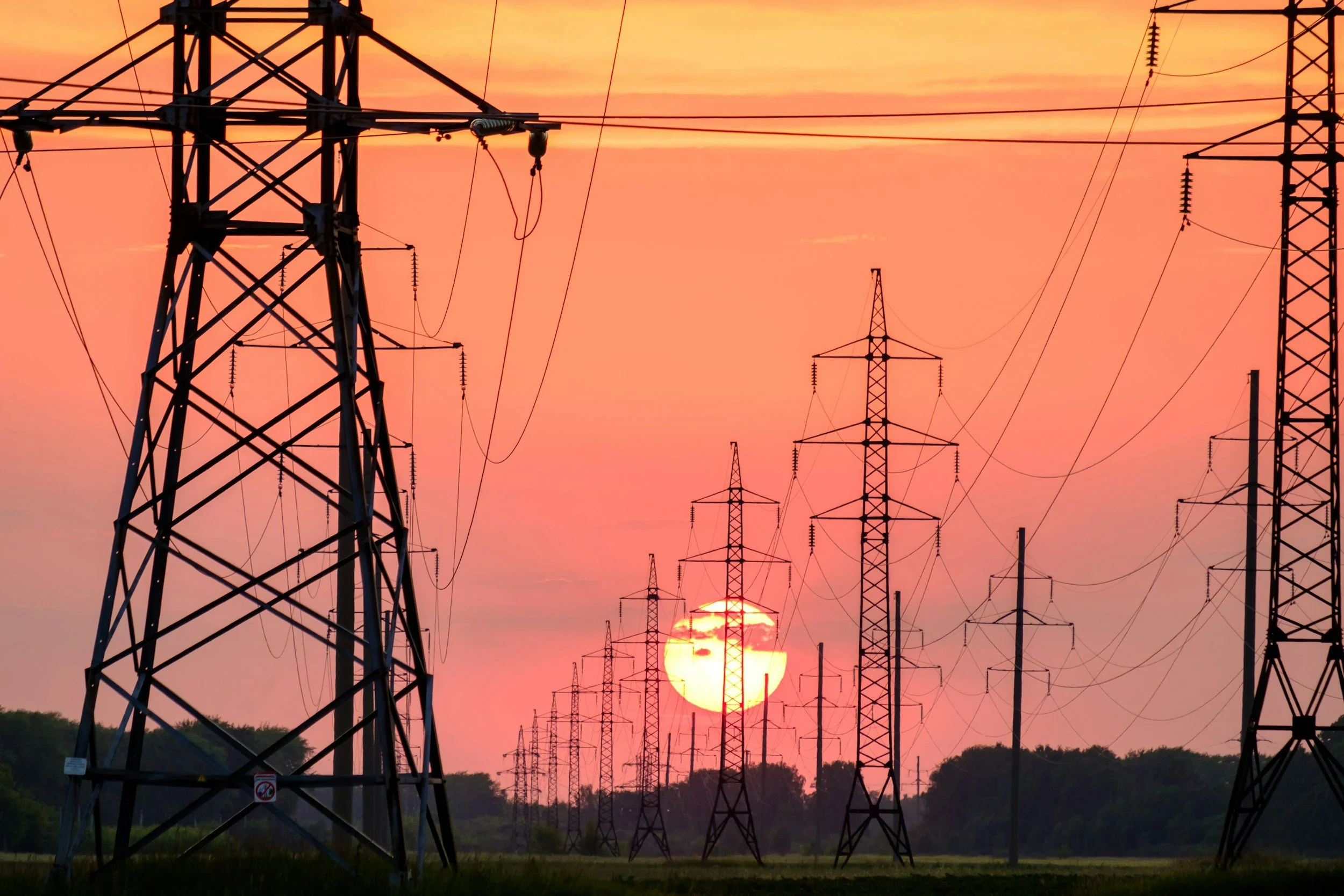
One of the smartest observations I've read recently is that investors shouldn't become overly concentrated in the winners of the last decade. Renewable energy is likely to continue growing. So are natural gas, nuclear power, electric utilities, transmission infrastructure, battery storage, and many of the companies that quietly keep the entire system running.
Think about a championship football team. You don't win by recruiting eleven quarterbacks. Every position matters, and success depends on how well the entire team works together. Investing is no different.
Some of the most attractive long-term opportunities may not be the companies making headlines. They may be the businesses solving the bottlenecks—the manufacturers building transformers, the utilities expanding electric grids, the engineering firms constructing transmission networks, and the infrastructure companies connecting it all together. These businesses often possess something investors value greatly: durable demand, pricing power, and decades of work already lined up.
As an investor, I find that encouraging. It reminds me that successful investing isn't about chasing whatever happens to be fashionable this year. It's about understanding how the world actually works, identifying long-term trends, and building diversified portfolios that can benefit from those trends over time.
The energy transition hasn't failed. It's simply evolving. Instead of replacing one system overnight, we're expanding and modernizing the one we already have—much like renovating a home while we're still living in it. That renovation will almost certainly take longer than expected. It will cost more than expected. It will require patience, coordination, and a tremendous amount of skilled labor.
But that's often where some of the best long-term investment opportunities are found—not in the newest idea, but in the essential work that makes everything else possible.
(Modified from Nicholas Bitz, June 17, 2026, TCW, “Energy Transition Outlook: Security, Scale, and the Cost of Disorder”)